


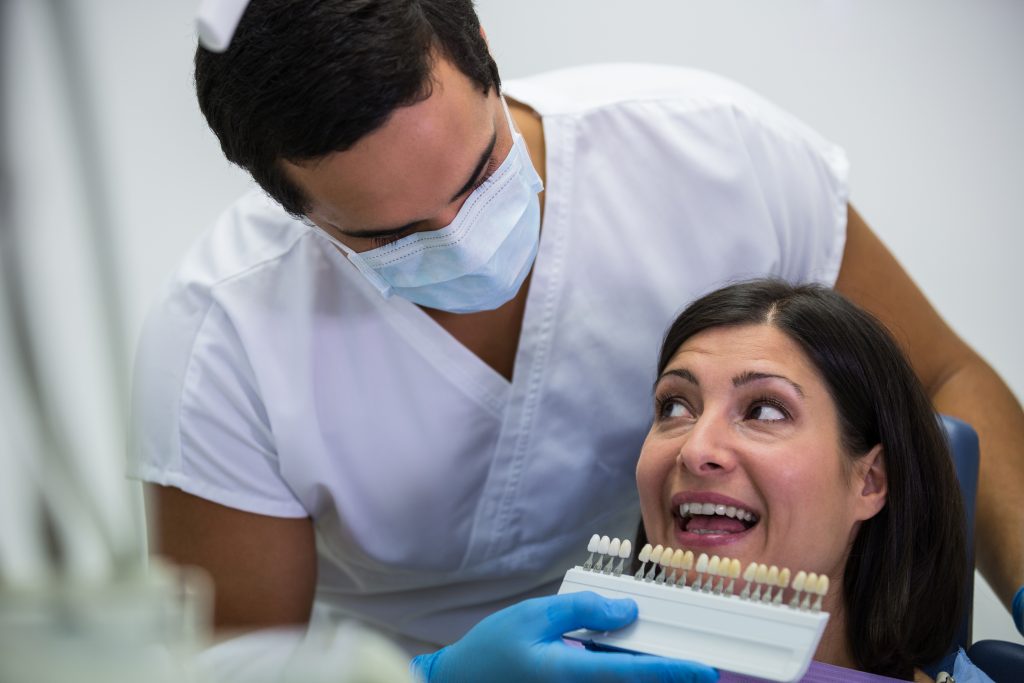
One of the most common questions patients ask is, “Are veneers permanent?” While veneers are not considered permanent, they are designed to be a long-term cosmetic solution. With the right materials, careful placement, and proper maintenance, veneers can maintain both function and appearance over many years.
The lifespan of veneers varies depending on the material used and the level of care. Porcelain veneers can last 10 to 15 years, with some lasting up to 20 years with proper maintenance. Composite veneers generally have a shorter lifespan, typically between 4 and 8 years, and may require more frequent repairs or polishing.
At Ooralea Dental Care, we guide patients on the best ways to protect their smile investment. From recommending practical dental veneers aftercare to providing personalised veneer maintenance tips, we aim to help your veneers stay functional.
What Are Dental Veneers?
Dental veneers are thin, custom-made shells that are bonded to the front surface of teeth to improve their appearance. They can address a range of cosmetic concerns, including discolouration, small gaps, chips, or irregular tooth shapes.
Veneers are designed to provide a durable solution and generally require minimal alteration to the underlying tooth structure, compared with crowns. They offer several benefits when used as part of an appropriate oral care routine. They can enhance the overall appearance of a smile and may support dental aesthetics.
Porcelain veneers, in particular, are stain-resistant and long-lasting when properly maintained. Following recommended veneer maintenance tips and attending regular dental check-ups can help ensure veneers remain functional.
How Long Do Dental Veneers Last on Average?
If you’re considering veneers, one of the first questions on your mind is probably: “How long will they actually last?” The answer depends on the type of veneer you choose and how well you look after it.
Veneer Lifespan by Type
Here’s a simple way to think about it:
- Porcelain Veneers: Typically last 10–15 years; with excellent care, some can last 20 years.
- Composite Veneers: Typically last 4–8 years and require more frequent attention to maintain a fresh appearance.
Porcelain vs Composite Veneers
Here are some of the differences between porcelain and composite veneers:
| Feature | Porcelain Veneers | Composite Veneers |
| Lifespan | Typically, 10 to 15 years, with some lasting up to 20 years when properly maintained. | Usually 4 to 8 years, with more frequent repairs or touch-ups. |
| Appearance | Natural, it maintains a lifelike aesthetic over time. | Looks good initially, but may lose gloss and become less natural in appearance. |
| Stain Resistance | High resistance to staining from coffee, tea, and wine. | More susceptible to staining from foods and drinks. |
| Durability | Strong and resistant to chipping and wear. | Softer and more prone to chipping or surface wear. |
| Cost | Higher initial cost, potential long-term value due to durability. | Lower initial cost, may require additional maintenance over time. |
| Maintenance Needs | Routine dental check-ups and proper oral hygiene are generally sufficient. | Requires more frequent professional polishing and monitoring. |
Factors That Affect How Long Veneers Last
The lifespan of veneers depends on several factors, including material, the dentist’s skill, oral hygiene, diet, and habits. Here are some of the factors that affect the longevity of veneers:
Veneer Material and Quality
The material and quality of your veneers significantly affect their durability. Porcelain veneers are known for their stain resistance and long lifespan, while composite veneers are easier to repair but can wear down faster. Choosing high-quality materials and opting for custom lab-made veneers usually results in a better fit and smoother finish.
Dentist Skill and Placement
Even the best veneers won’t last if they aren’t placed correctly. Proper tooth preparation preserves the enamel and ensures a solid bond. Accurate placement, combined with careful bite alignment, helps prevent unnecessary pressure that could lead to cracks.
Oral Hygiene Habits
Keeping veneers healthy starts with everyday care. Brushing twice daily with a soft-bristle toothbrush and non-abrasive toothpaste helps protect the veneer surface. Flossing carefully helps prevent plaque buildup, and using an alcohol-free mouthwash supports gum health.
Diet and Lifestyle Choices
What you eat and drink significantly affects your veneers. Hard foods such as ice, nuts, or hard candy can chip or damage them, while staining beverages like coffee, tea, and red wine may affect their appearance over time.
Smoking or using tobacco can also cause discolouration and affect gum health, which in turn influences the veneers’ longevity.
Teeth Grinding (Bruxism)
Grinding or clenching your teeth can put severe stress on veneers and shorten their lifespan. The lifespan of porcelain veneers is particularly affected by repeated pressure, which can cause chips, cracks, or wear. Using a custom nightguard while sleeping can help protect your veneers.
Care Tips to Make Your Veneers Last Longer
These practical steps support long-term outcomes for both porcelain and composite veneers:
Daily Oral Hygiene Routine
To protect veneers and the teeth beneath, consider the following steps:
- Brush your teeth twice daily with a soft-bristle toothbrush.
- Use non-abrasive toothpaste to avoid scratching the veneer surface.
- Floss daily to keep the veneer margins clean and prevent plaque buildup.
- Rinse with water after consuming staining foods or drinks.
Foods and Drinks to Be Careful With
Certain foods and beverages can stain or damage veneers. Keep these tips in mind:
- Avoid biting directly into hard foods such as nuts, hard candy, or crusty bread.
- Limit consumption of coffee, tea, and red wine to reduce staining.
- Use a straw where practical to minimise contact with veneers.
- Rinse your mouth with water after drinking staining beverages.
Habits to Avoid
Daily habits can unintentionally harm veneers. Be mindful of the following:
- Using your teeth as tools to open packaging or cut items
- Nail biting
- Chewing on pens, ice, or other complex objects
- Grinding or clenching teeth without a protective nightguard
Protecting Veneers from Damage
Some precautions help extend the porcelain veneers’ lifespan and protect composites:
- Wear a custom nightguard if you grind or clench your teeth.
- Use a sports mouthguard during contact sports.
- Ask your dentist about bite adjustments if your bite places extra pressure on veneers.
Professional Care and Regular Dental Check-Ups
Caring for veneers involves more than daily brushing and flossing. Regular professional care helps maintain the function, appearance, and comfort of veneers over time.
Why Regular Check-Ups Matter
Routine check-ups allow your dentist to assess veneers for early signs of wear, bonding changes, or margin concerns. Early identification of these issues may allow for timely management based on clinical findings.
Regular reviews also support the monitoring of gum health, which can influence the long-term stability and appearance of veneers.
Professional Cleaning Benefits
Here are some of the benefits of getting professional cleaning:
- Removes plaque and calculus using techniques suitable for veneers
- Helps maintain smooth veneer margins and reduce surface staining
- Supports gum health and assists in managing inflammation
How Often Should You Visit the Dentist?
Many patients are advised to attend dental check-ups every six months, although this may vary based on individual oral health needs.
At Ooralea Dental Care, review intervals are determined through clinical assessment and patient-specific factors. Our personalised care plans aim to support ongoing oral health and appropriate monitoring of veneers.
Common Issues That Can Affect Veneers
Veneers look natural, but they can get damaged over time. Everyday habits, accidental knocks, and normal aging can all lead to visible problems over time.
Chipping, Cracking, and Wear
Veneers can chip or crack from biting hard foods, sports injuries, or teeth grinding. Wear also occurs gradually when the enamel or veneer surface is repeatedly stressed. Porcelain is strong but can fracture under force. Composite veneers are softer and more prone to scuffing.
Staining and Discolouration
Small chips and surface cracks can often be smoothed or filled with composite in the chair. Deep fractures, repeated bond failures, or underlying decay usually indicate that replacement is the safer long-term choice. Your dentist will weigh the damage, tooth health, and expected longevity before making a decision.
Loose or Detached Veneers
A veneer can loosen if the bond weakens, decay undermines the tooth, or the restoration is traumatised. Changes in the underlying tooth shape over time can also reduce retention.
Can Veneers Be Repaired or Do They Need Replacement?
Veneers are designed to be durable, but normal wear and tear or accidental damage can sometimes cause minor issues. Small chips, surface wear, or rough edges may be manageable with simple polishing, depending on the type of veneer and its condition.
Composite veneers, in particular, can sometimes be adjusted or repaired during a routine dental visit after professional assessment. In cases where damage is more extensive, replacement may be recommended to maintain oral health and function.
Cracks, loss of retention, decay beneath the veneer, or changes in fit can reduce the effectiveness of repairs. Your dentist will assess the veneer and the underlying tooth and discuss appropriate treatment options based on individual circumstances.
Book a Veneer Consultation at Ooralea Dental Care
If you’re considering veneers or want to explore how they can enhance your smile, booking a consultation at Ooralea Dental Care is the first step. During your visit, our team will provide personalised advice tailored to your teeth, oral health, and cosmetic goals.
We focus on helping you understand all aspects of veneers, including material choices, maintenance, and what to expect over time. Our approach emphasises care, safety, and realistic outcomes to help you protect your veneer investment.
Scheduling a consultation allows you to discuss your options in detail, ask questions about dental veneer aftercare, and receive a plan tailored to your needs. At Ooralea Dental Care, we are committed to supporting patients through every stage of their veneer journey, from initial planning to long-term maintenance.