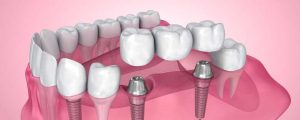



Wisdom tooth removal cost in 2026 can vary. In most cases, you can expect to pay $200 to $600 per tooth for a simple extraction, while more complex or surgical removals can range from $1,500 to over $4,000.
If your dentist has just told you that your wisdom teeth need to come out, it’s completely normal for your first thought to be about the cost. What makes it confusing is that prices can vary a lot, and one major reason is anaesthesia. Procedures done under general anaesthetic can add $1,500 to $3,000 or more to your overall bill.
That’s why two people getting their wisdom teeth removed can receive very different quotes. In this guide, we’ll walk you through the real costs of dental implant removal in 2026 and how you can reduce your expenses without cutting corners on your care.
What are Wisdom Teeth?
Wisdom teeth, also known as third molars, are the final set of adult teeth that develop at the very back of the mouth. They emerge in the late teens or early twenties, although not everyone develops all four teeth.
These teeth were once useful for grinding tougher foods, but modern diets and smaller jaw sizes often leave them with limited space to grow properly. As a result, they may emerge at an angle, remain partially trapped beneath the gums, or not appear at all.
Average Wisdom Teeth Removal Cost (2026)
Here’s a quick guide to what you can expect to pay:
| Type | Cost |
| Simple extraction | $200 – $600 |
| Surgical extraction | $400 – $1,200 |
| IV sedation | $1,000 – $2,500 |
| Hospital surgery | $1,500 – $4,500 |
Additional Costs to Consider
When planning, it’s important to be aware of potential additional expenses that can affect the overall tooth extraction cost:
- Consultation fee: Patient’s first visit to discuss treatment options and assess the complexity of the extraction.
- X-ray: Standard imaging to help the dentist evaluate the position and health of your wisdom teeth.
- OPG scan: A panoramic X-ray that captures all teeth and jaw structure in a single image for a clearer overview.
- CBCT scan: Advanced 3D imaging used for complicated cases to guide precise surgical planning.
- Medication: Pain relief or antibiotics are prescribed after surgery to ensure a smooth recovery.
- Follow-up visits: Post-extraction check-ups to monitor healing and address any concerns.
- Emergency visits: Unplanned appointments due to complications can increase the total cost of wisdom tooth extraction.
What Affects Wisdom Teeth Removal Cost?
Several factors can influence your wisdom tooth removal price, and understanding them helps you plan effectively for the procedure:
- Complexity of extraction: Simple removals are less costly, while complicated extractions, such as impacted teeth or those requiring surgical intervention, can increase the price.
- Impacted vs erupted tooth: Teeth that haven’t fully emerged often need more extensive work, making their removal more expensive than fully erupted teeth.
- Number of teeth removed: 4 Wisdom teeth removal cost in one session will naturally increase the overall cost compared to removing a single tooth.
- Dentist vs. oral surgeon: Oral surgeons typically charge more than general dentists, especially for surgical or complex cases.
- Type of anaesthesia: Local anaesthesia is usually included in the basic cost, but general anaesthesia is an additional cost for wisdom tooth extraction.
- X-ray and consultation fees: Imaging and initial assessments are essential for safe treatment, but can add to the total expense.
- Follow-up visits: Post-procedure check-ups ensure proper healing and may incur additional charges, depending on the practice.
- Medication costs: Painkillers, anti-inflammatories, or antibiotics prescribed after the extraction contribute to the final cost.
Being aware of these factors helps your patient understand why prices vary and ensures they’re prepared for a safe, smooth recovery.
Simple vs Surgical Wisdom Tooth Removal Cost
Knowing the difference between simple and surgical extractions can help your patient better understand the cost of wisdom tooth surgery.
Simple extractions are usually straightforward, ideal for fully erupted teeth. Surgical extractions, on the other hand, are needed when teeth are impacted, partially erupted, or in a tricky position, which makes the procedure more involved.
| Type | Description | Cost (2026) |
| Simple extraction | Removal of a fully grown wisdom tooth that’s easy to access. | $200 – $600 |
| Surgical extraction | Requires cutting into the gum or sometimes the bone to remove the tooth. | $400 – $1,200 |
| Impacted tooth | Teeth stuck under the gum or jawbone often need surgery. | $400 – $1,500+ |
| Partially erupted tooth | Teeth that have broken through the gum but may be angled or hard to remove. | $300 – $1,000 |
Does Medicare Cover Wisdom Teeth Removal?
Medicare generally does not cover routine wisdom tooth extractions, as these are considered elective dental procedures. You need to pay unless there are exceptional circumstances.
Coverage may apply in certain situations, such as when surgery is performed in a hospital due to complications or if the patient has a medical condition that increases surgical risk.
Conditions such as severe infection, cysts, tumours, or impacted teeth that cause jaw or nerve problems may make the procedure medically necessary. In this case, Medicare covers some costs.
It’s important for you to check with both the dentist and Medicare before the procedure to understand exactly what portion, if any, is eligible for coverage. Proper planning ensures there are no surprises in the overall cost of wisdom tooth surgery.
Does Private Health Insurance Cover Wisdom Teeth Removal?
Private health insurance can help reduce your expenses, but the level of cover depends on the policy. In most cases, wisdom teeth removal is partially covered under extras or major dental, while more complex procedures may involve hospital cover.
- Extras cover: Basic policies may include general dental, which can contribute to simple extractions.
- Major dental: Higher-level extras cover includes surgical extractions that reduce the overall cost for more complex cases.
- Hospital cover: If the procedure is performed in a hospital, particularly under general anaesthesia, hospital cover may assist with accommodation and theatre fees.
- Gap payment: Even with insurance, you will have a gap to pay, depending on the dentist’s fees and the insurer’s rebate.
- Waiting period: Most policies include waiting periods for major dental or hospital treatments, so immediate claims may not be available after joining.
You can consider reviewing your policy details or speaking directly with the insurer to clearly understand what is covered and what costs to expect.
When Do Wisdom Teeth Need to Be Removed?
Here are some cases where removal may be recommended:
- If you have persistent pain in the back of your mouth.
- If you develop an infection, you may experience symptoms such as swelling, a bad taste, or difficulty opening your mouth.
- If there is crowding, your wisdom teeth may push against nearby teeth, affecting their alignment.
- If a cyst forms around the tooth, it can damage the surrounding bone over time.
- If the tooth is impacted, it may become trapped under the gum or bone, leading to complications.
- If you have gum disease, partially erupted teeth can trap bacteria and worsen inflammation.
- If you experience jaw pain, it may be caused by pressure from emerging or misaligned teeth.
- If you have frequent headaches, strain from impacted teeth may be a contributing factor.
What Happens During Wisdom Teeth Removal?
Here’s a step-by-step wisdom teeth removal procedure you can expect during your visit to a dental clinic:
Step 1: Initial Consultation
Your dentist examines the mouth, reviews symptoms, and discusses any concerns. This helps determine the most appropriate treatment plan based on your specific condition and medical history.
Step 2: Dental X-rays
X-rays or scans are taken to evaluate the position of your wisdom teeth and their relationship to nearby nerves and bone. After this, your dentist can plan the procedure carefully and minimise potential risks.
Step 3: Administer Anaesthesia
The area is numbed using local anaesthesia, and sedation may be offered for more complex cases. This ensures you remain comfortable and at ease throughout the procedure.
Step 4: Tooth Extraction Process
Your dentist carefully removes the tooth, which may involve loosening it or making a small incision if it is impacted. In some cases, the tooth is divided into smaller sections to facilitate smoother removal.
Step 5: Recovery and Aftercare
After the extraction, you receive clear aftercare instructions to support healing and reduce complications. Mild swelling and discomfort are normal, and recovery usually improves over the following days.
Recovery Time After Wisdom Teeth Removal
Recovery varies from patient to patient, but most people start feeling better within 3 to 7 days. During this time, mild swelling and discomfort are common, and using ice packs along with prescribed medication can help manage symptoms.
By around two weeks, the gums usually heal well, although deeper tissues may take a little longer to fully recover. It’s important to follow your dentist’s instructions carefully, especially when it comes to cleaning the area and attending any follow-up appointments.
- Swelling: Most noticeable in the first few days, it gradually improves, especially with early use of ice packs.
- Pain: Some discomfort is expected, but it can usually be managed with medication and proper aftercare.
- Food: Soft foods are recommended for at least 24 hours, and hard or crunchy foods should be avoided for about a week to protect the extraction site.
- Work: Many patients return to normal activities within a few days, but rest is advised initially, particularly after more complex procedures.
Taking care during the first few days is key to ensuring a comfortable recovery for your patient.
How to Reduce Wisdom Teeth Removal Cost
Managing the wisdom teeth removal cost is possible with a few practical steps, such as:
- Use your insurance: Check your private health cover to see what’s included under extras or major dental. Understanding your benefits can significantly reduce costs.
- Bundle extractions: If more than one wisdom tooth needs to be removed, having them treated in a single visit may help reduce overall fees.
- Consider early removal: Addressing wisdom teeth before they become impacted or infected can often make the procedure simpler and more affordable.
- Ask about payment plans: Many dental clinics offer flexible payment options. You can consider spreading the cost over time rather than paying everything up front.
Planning ahead and discussing options with your dentist can make treatment more manageable while still ensuring safe and appropriate care.
Final Thoughts
Wisdom teeth removal is a common dental procedure, but each patient’s situation is unique, and costs can vary based on complexity. Prioritising timely treatment and following your dentist’s guidance ensures a smoother recovery and helps prevent complications like infection or crowding.
If you’re considering wisdom tooth removal in Mackay or nearby suburbs and want personalised treatment, contact Ooralea Dental Care. Book a consultation with us today to discuss the most suitable approach for your needs and ensure safe, professional care from start to finish.